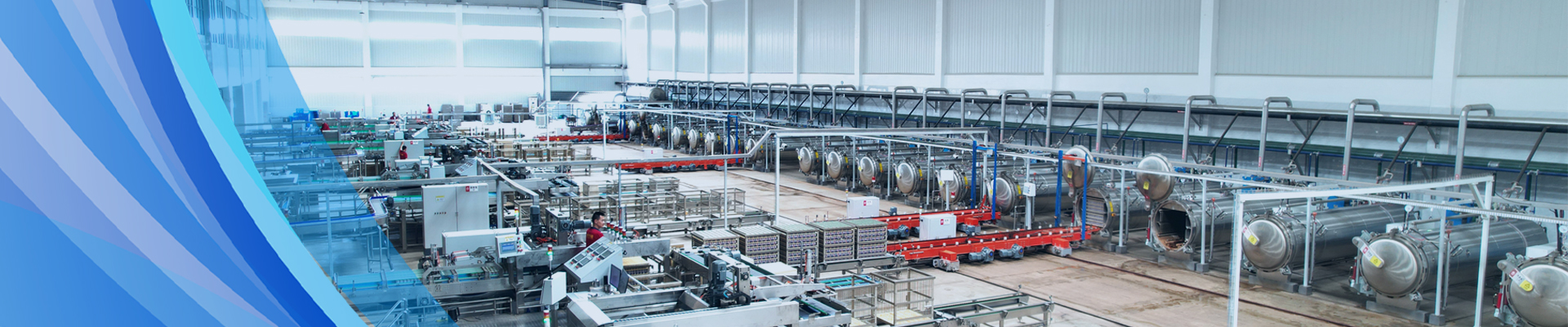

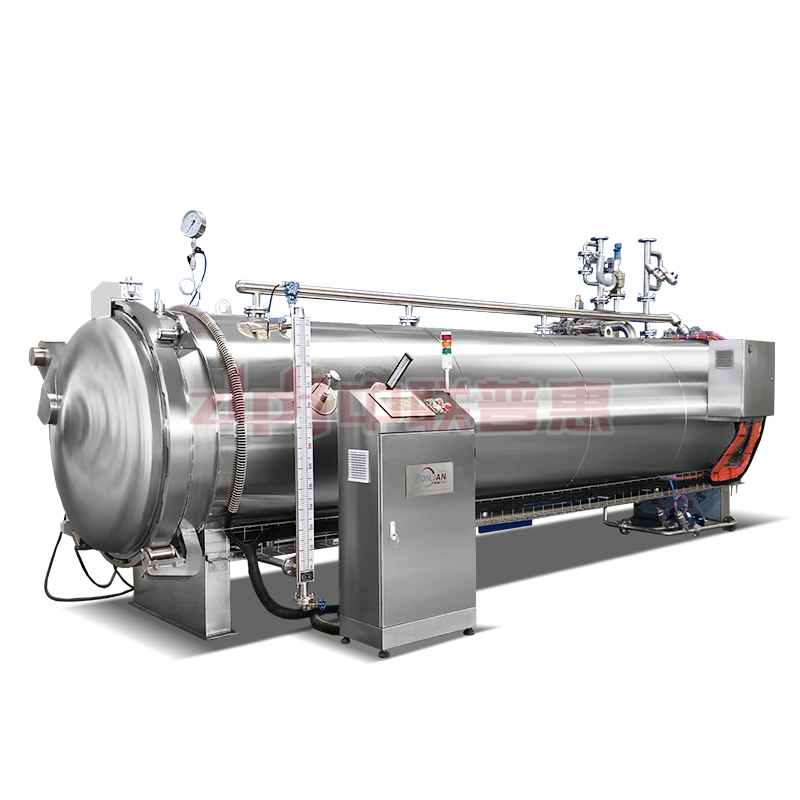
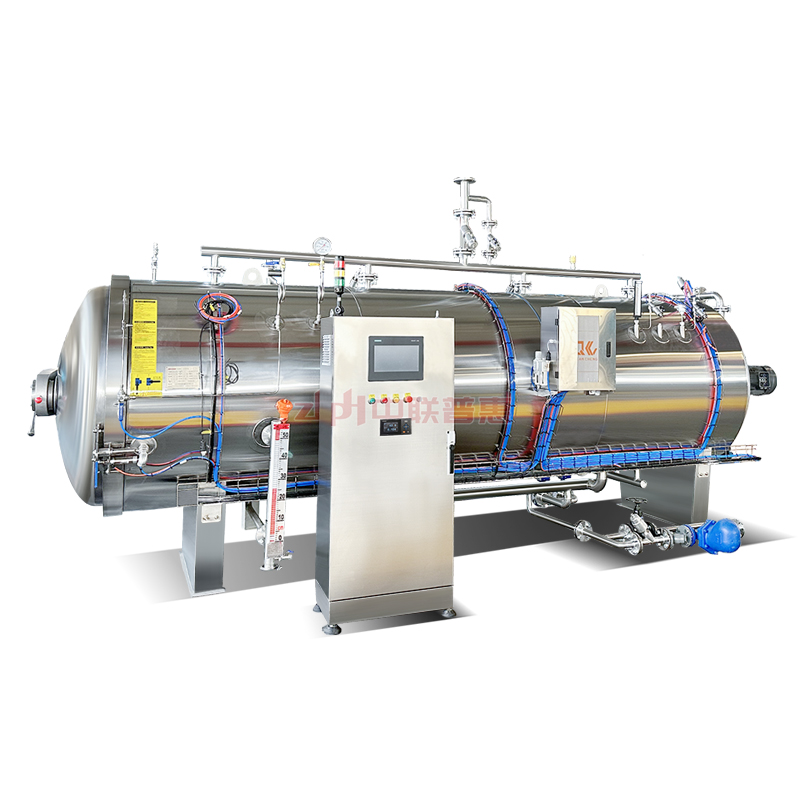
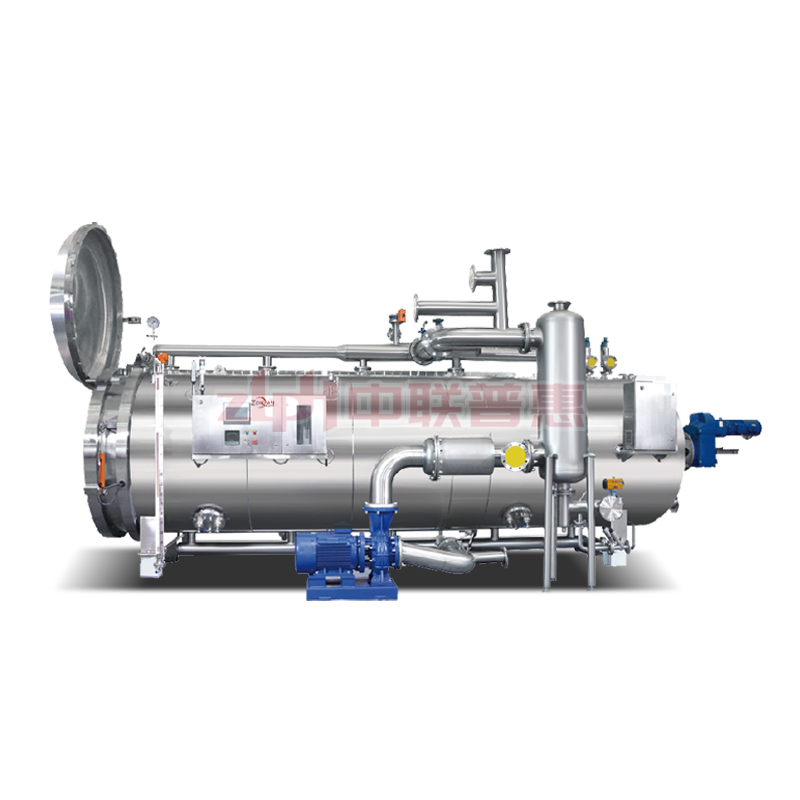
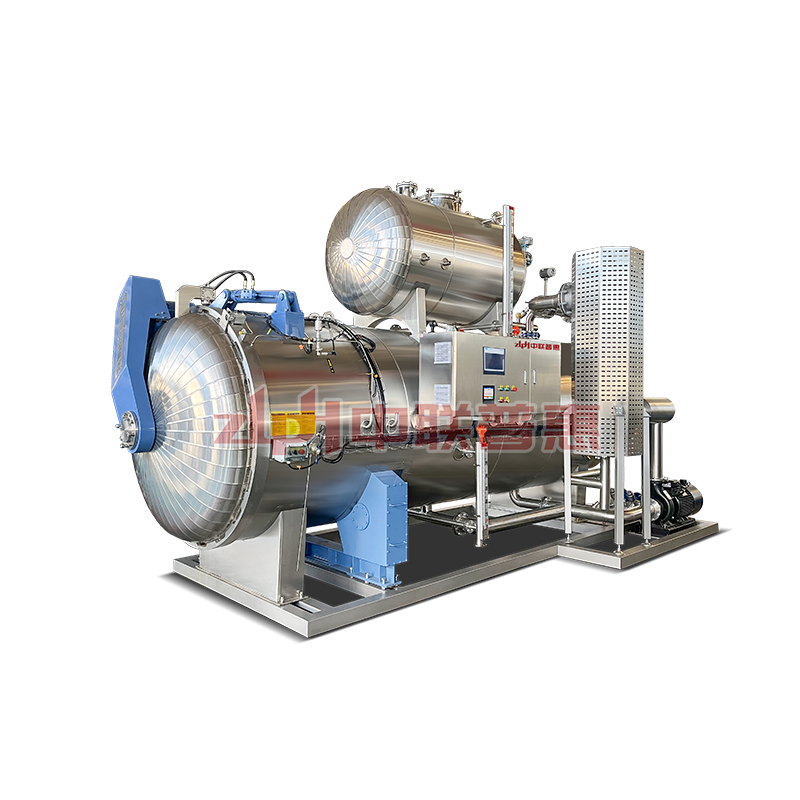
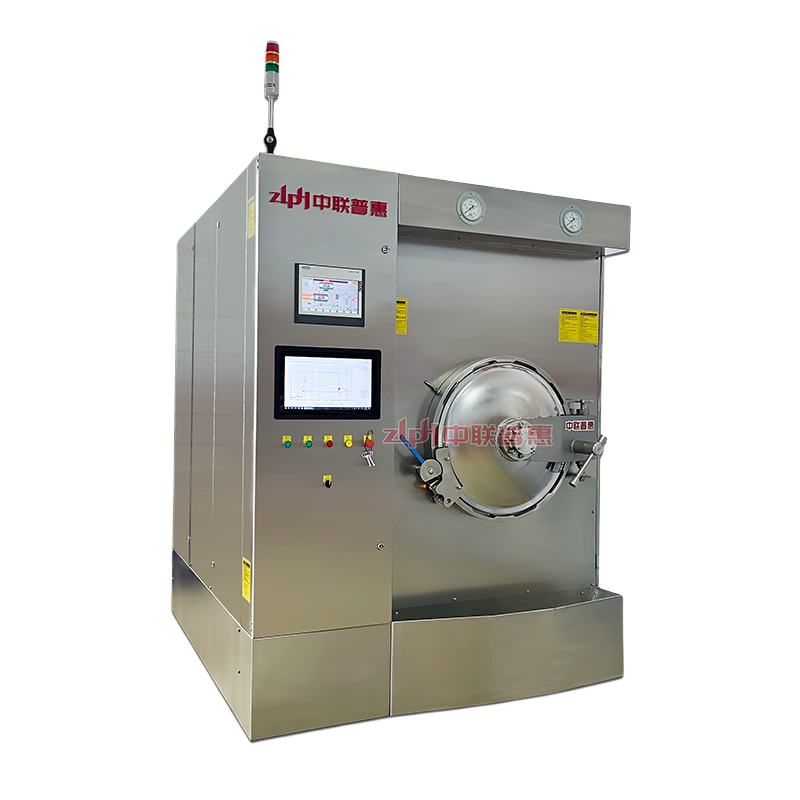
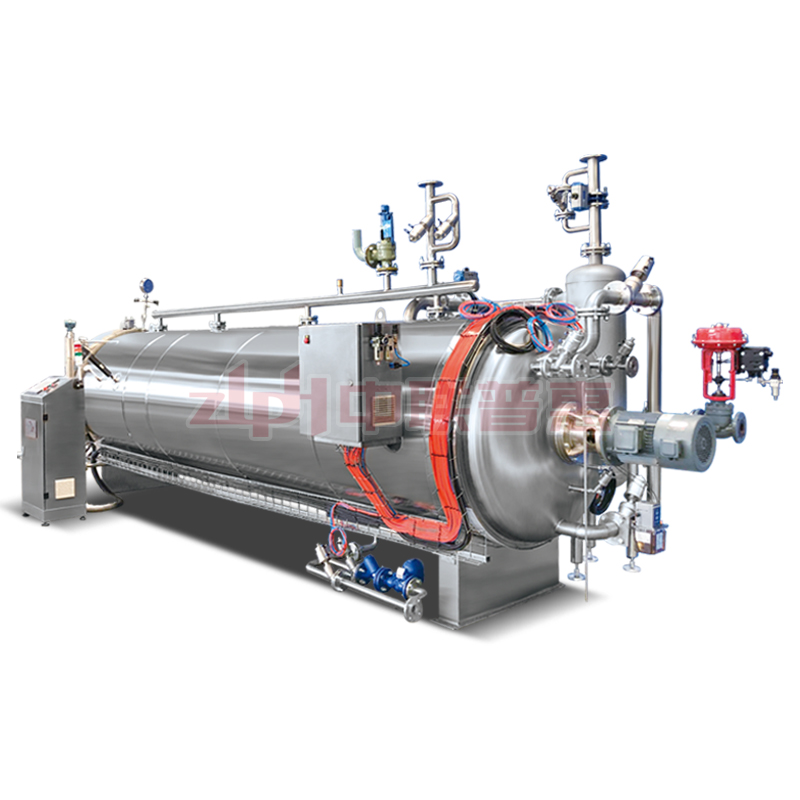
This guide is authored by a senior food processing engineer with over 10 years of experience at ZLPH MACHINERY TECHNOLOGY CO., LTD., a leading provider of advanced sterilization systems. It addresses a critical challenge faced by global food manufacturers and procurement professionals: inconsistent or inefficient thermal sterilization during high-volume production. Inefficient sterilization in continuous retort autoclaves often stems from uneven heat distribution, manual loading bottlenecks, and lack of real-time process control—issues that compromise food safety, reduce throughput, and increase operational costs. Drawing on more than 5,000 global installations and extensive R&D validation, we present a proven, step-by-step solution that ensures uniform sterilization, maximizes line efficiency, and meets international food safety standards. This guide breaks down root causes by scenario, delivers actionable fixes, shares field-tested best practices, and validates results with real-world performance data—all tailored for industrial-scale food producers seeking reliable, scalable sterilization.

How to Solve Uneven Heat Distribution in Water Spray Retort Systems?
1. Scenario & Pain Point
In canned vegetable and ready-meal production lines, operators frequently report inconsistent F0 values across batches—some units under-sterilized (risking microbial survival), others overcooked (damaging texture and nutrition). This inconsistency leads to product recalls, wasted batches, and compliance risks, especially under FDA or EU food safety audits.

2. Root Cause Analysis
The primary causes are: (1) non-uniform water spray coverage due to fixed nozzle layouts; (2) poor circulation design causing cold spots in the retort chamber; and (3) absence of real-time temperature mapping during the cycle, preventing dynamic adjustments.

3. Step-by-Step Solution
Immediate Fix: Conduct thermal mapping using data loggers to identify cold zones; temporarily adjust basket orientation to avoid stacking in low-flow areas.
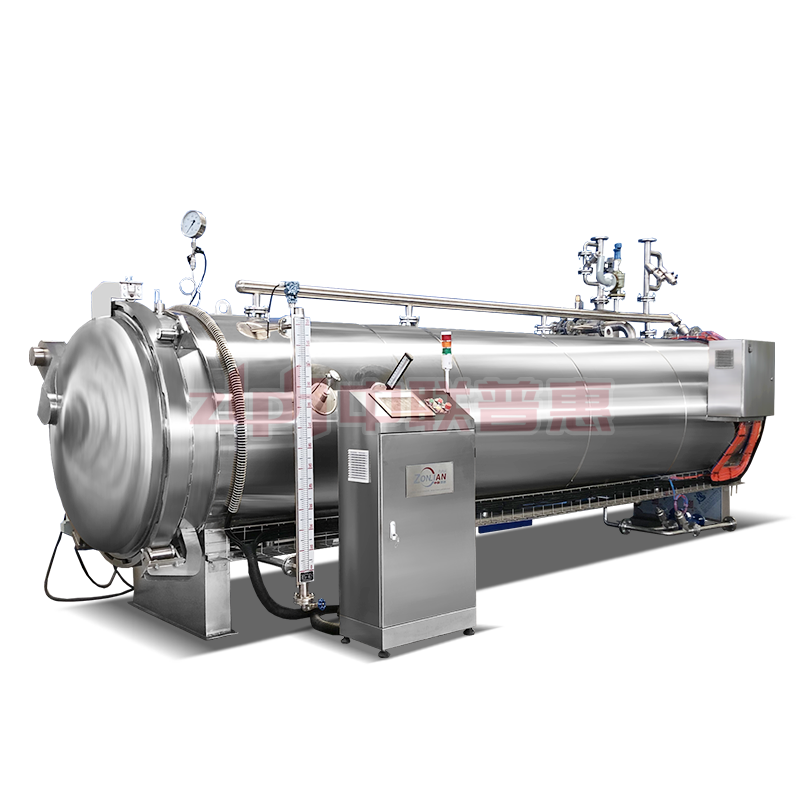
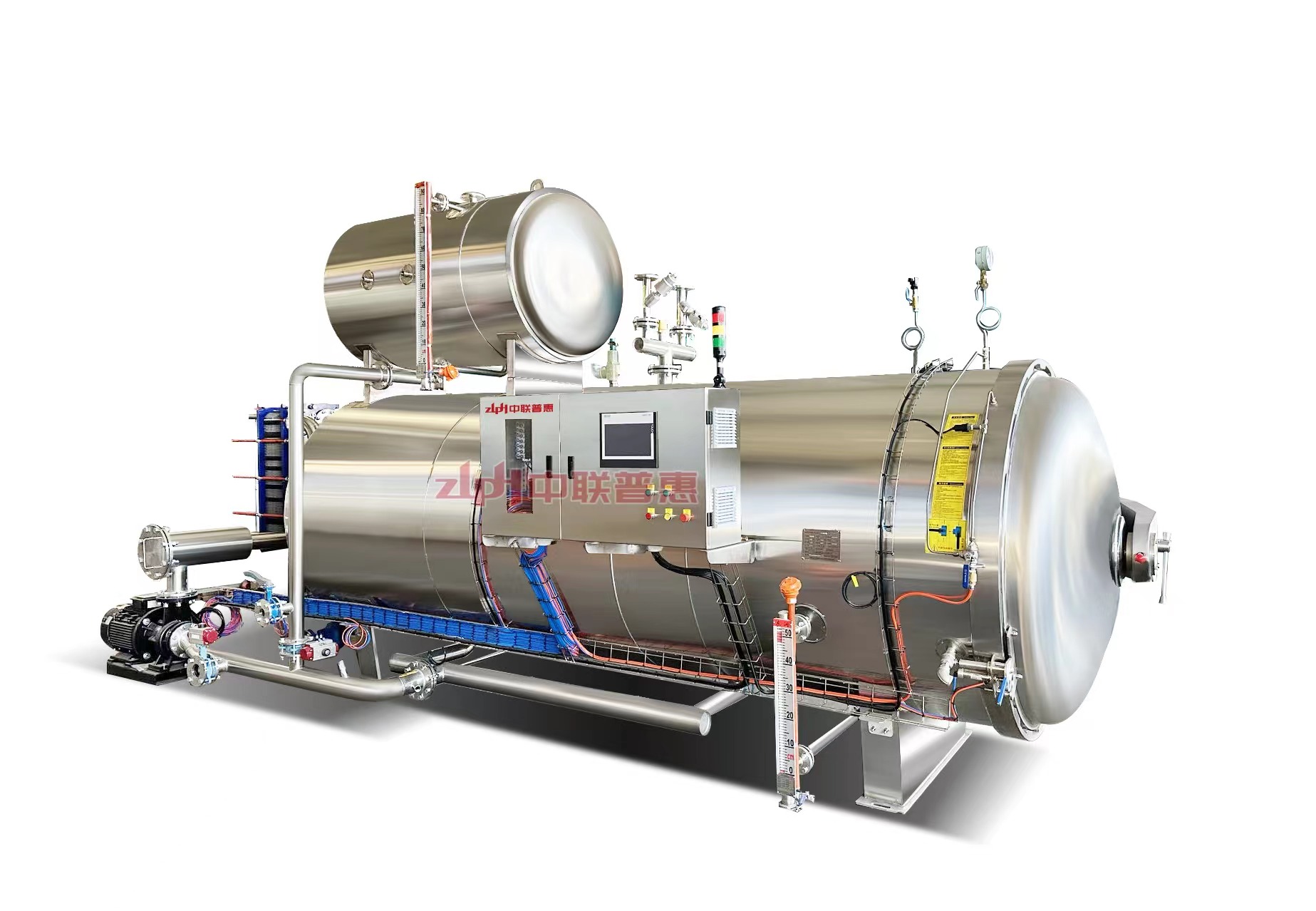
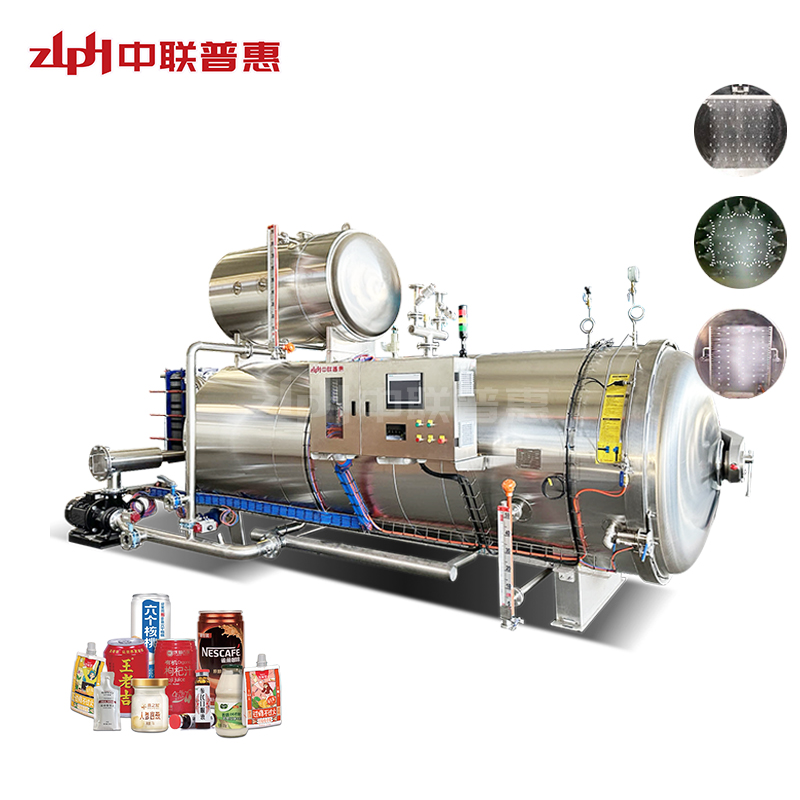
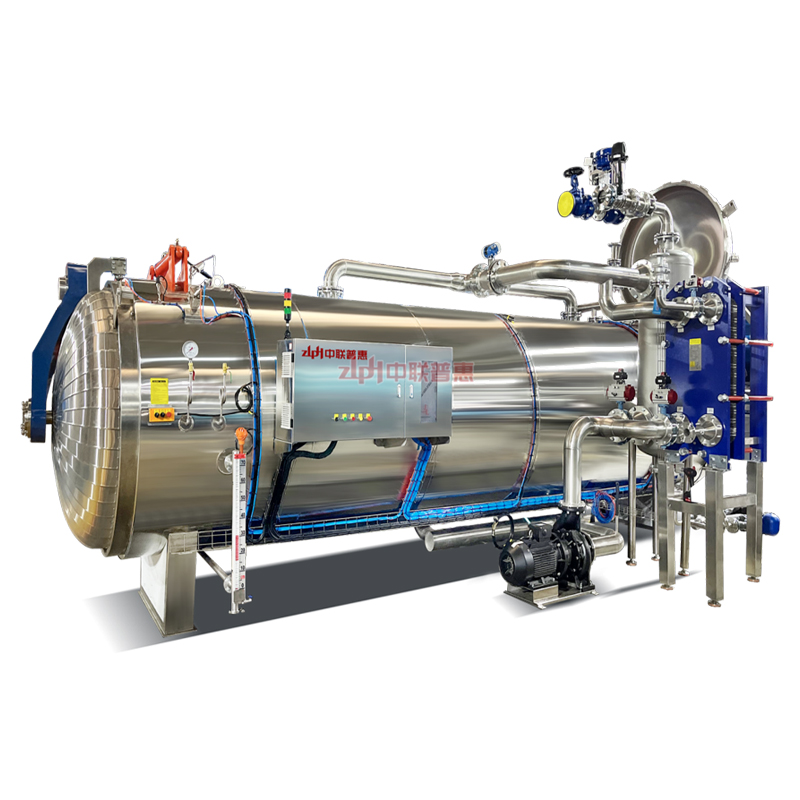
Long-Term Fix: Deploy ZLPH’s intelligent water spray retort with multi-zone rotating nozzles and variable-frequency pumps, ensuring 360° even spray coverage. The system integrates real-time temperature sensors at 12+ points, enabling closed-loop control to maintain ±0.5°C uniformity.
Optimization: Use the built-in recipe management system to auto-adjust spray pressure and cycle time based on product type and load density.

4. Troubleshooting & Prevention
Always validate thermal uniformity after maintenance or load configuration changes. Avoid overloading trays beyond recommended capacity, as this blocks spray penetration. Ensure water quality meets ISO 22000 standards to prevent nozzle clogging.
5. Verified Results
At a major European ready-meal producer, implementing this solution reduced F0 deviation from ±8% to ±1.2%, eliminated under-processing incidents, and increased line yield by 14%—validated over 12 consecutive months of production.
How to Eliminate Manual Loading Bottlenecks in High-Volume Retort Lines?
1. Scenario & Pain Point
In facilities producing >10,000 cans/hour, manual tray loading/unloading creates a bottleneck, causing retort downtime, labor injuries, and inconsistent batch timing—directly impacting OEE (Overall Equipment Effectiveness).
2. Root Cause Analysis
Reliance on manual handling leads to variable cycle start times, ergonomic strain, and human error in tray alignment, which can trigger safety interlocks or uneven sterilization.
3. Step-by-Step Solution
Integrate ZLPH’s automated retort tray loader/unloader system, featuring servo-driven precision positioning and vision-guided alignment. The system syncs with upstream conveyors and downstream coolers via PLC, enabling fully continuous flow.
Key Features: Cycle time reduction from 8 min to 3.5 min per batch; ±1mm positioning accuracy; seamless integration with existing MES.
4. Troubleshooting & Prevention
Regularly calibrate vision sensors and lubricate linear guides. Train operators on emergency stop protocols. Conduct weekly alignment checks using laser alignment tools.
5. Verified Results
A Qingdao-based seafood exporter reported a 40% increase in daily output and zero loading-related downtime after deployment, with ROI achieved in under 11 months.
Industry Best Practices for Continuous Retort Operations
Based on 6+ years of global project execution, ZLPH recommends this 5-step framework for robust retort performance:
1. Define Worst-Case Conditions
Design for peak load, highest ambient temperature, and lowest water pressure—not average conditions.
2. Validate Thermal Performance
Conduct third-party thermal validation (per ASTM F2759) before full-scale production.
3. Automate Critical Interfaces
Use automated loaders and IoT-enabled control panels to minimize human intervention.
4. Implement Predictive Maintenance
Monitor pump vibration, valve cycles, and seal wear via integrated sensors to schedule maintenance proactively.
5. Certify for Target Markets
Ensure equipment holds CE, EAC, ASME, and local food safety certifications to avoid customs delays.
Frequently Asked Questions (FAQ)
Q: Can standard batch retorts be upgraded to continuous operation?
A: Only if the vessel design supports indexing and automation interfaces. Most require full replacement; ZLPH offers retrofit assessments to determine feasibility.
Q: What certifications are required for retorts sold in Russia and the EU?
A: EAC for Eurasian markets and CE for Europe are mandatory. ZLPH holds both, plus ASME U2 stamp for pressure vessel compliance.
Q: How does water spray sterilization compare to steam-air mix?
A: Water spray offers superior heat transfer for conductive products (e.g., glass jars, pouches), reducing cycle time by 20–30% while preventing package deformation.
Q: Is real-time F0 monitoring necessary?
A: Yes—for compliance with FDA 21 CFR Part 113 and to enable adaptive control. ZLPH’s system calculates F0 dynamically and logs data for audit trails.
Q: What’s the typical footprint of a continuous retort line?
A: Approximately 25m x 6m for a 6,000 cans/hour system. ZLPH provides 3D layout simulations during pre-sales engineering.
Our Expertise & Support
ZLPH MACHINERY TECHNOLOGY CO., LTD. is a globally recognized provider of intelligent sterilization solutions since 2018. Our team includes 21 mechanical and PLC engineers, 4 sterilization process experts, and 14 after-sales specialists—all with 10+ years in the industry. Operating from a 15,000㎡ ISO-certified facility on a 50-acre campus, we manufacture all core components in-house to ensure quality and traceability. Our systems comply with ASME, CE, EAC, and Malaysia DOSH standards, backed by AAA credit and integrity certifications. We serve clients across Asia, Europe, and the Americas, with proven success in meat, seafood, dairy, and plant-based food segments.
Custom Solution Support Includes:
- On-site process audit and thermal validation
- Custom tray design for unique packaging formats
- Integration with existing factory automation (Siemens, Rockwell, etc.)
- Free pilot testing with your product samples
Contact Us
Company: ZLPH MACHINERY TECHNOLOGY CO., LTD.
Website: https://www.zlphretort.com/
Email: sales@zlphretort.com
Phone / WhatsApp: +86 15666798389 / +86 13361554016
